The Engineering Mistake That Looks Like Progress

Engineering3 min read

On this page
There is a particular kind of technical decision that feels excellent when you make it and reveals itself as a problem six months later.
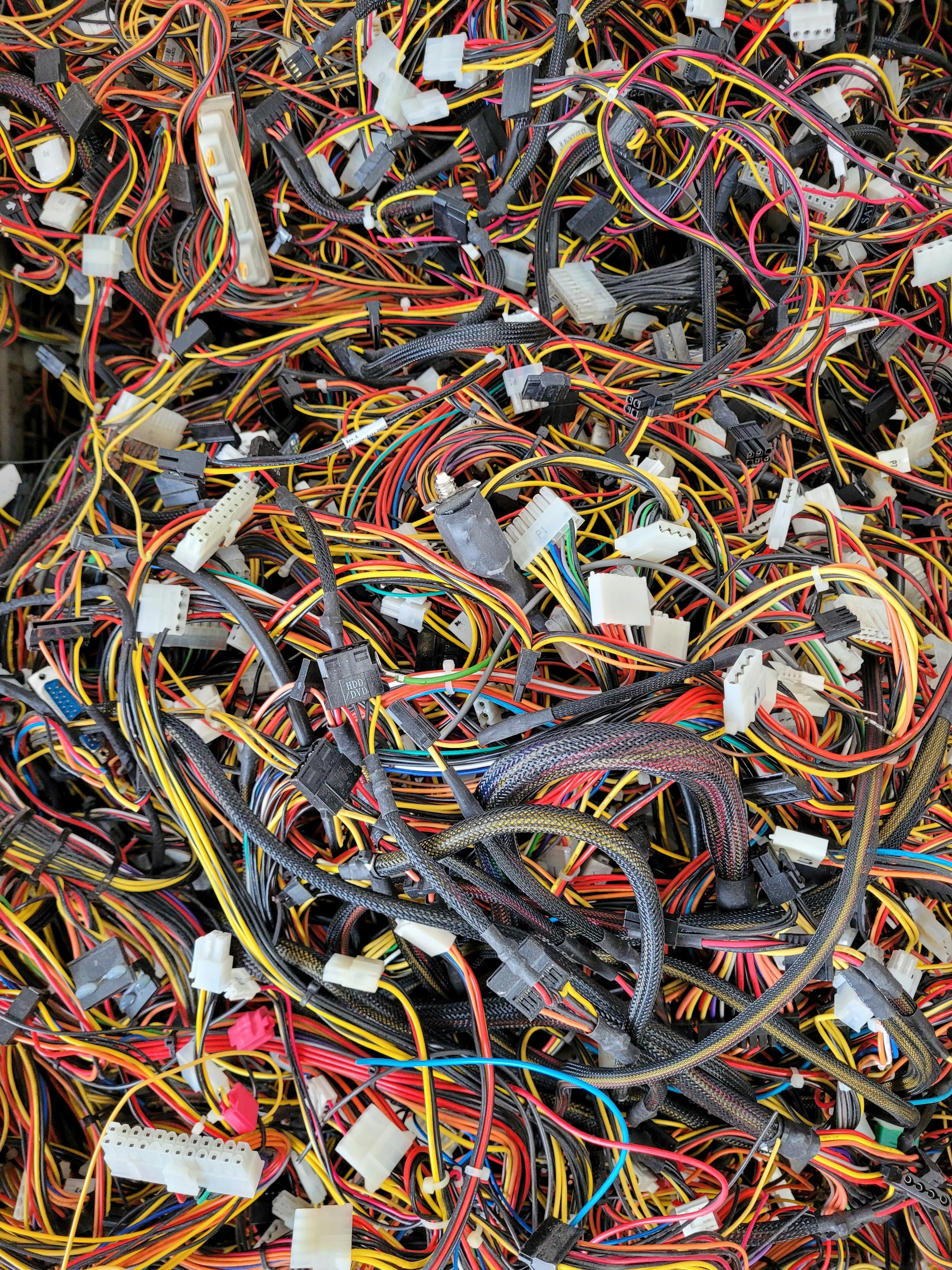
It usually comes from a good place. The code base is growing. The team is adding features. Someone proposes a more sophisticated architecture, a more elegant abstraction, a more scalable approach. It sounds right. It looks like the kind of thinking that separates serious engineers from people who are just shipping fast and hoping for the best. So the decision gets made, the system gets more complex, and for a while everything feels like progress.
Then a new engineer joins and spends two weeks just understanding the system before they can contribute to it. Then a bug appears in the abstraction layer and tracing it takes three days. Then a simple feature that should take an afternoon takes a sprint because it has to thread through four layers of architecture that were built for a scale the product has not reached and may never reach.
The sophistication that felt like progress was actually debt, just the kind that comes with a good story attached.
Building for the Problem You Have

The most disciplined engineering decision a small team can make is to solve the problem in front of them, not the problem they might have in three years.
This sounds obvious. It is genuinely difficult. Engineers are trained to think about scale, about edge cases, about what happens when the system has to handle ten times the load. That thinking is valuable. But applied too early, before the product has found its footing, before the load is real, before the edge cases have actually appeared, it produces systems that are expensive to build, expensive to maintain, and often wrong about which direction scale will actually come from.
The startups that move fastest are usually the ones that made a deliberate choice to keep the system simple long past the point where it felt uncomfortable. They resisted the pull toward sophistication and instead invested that energy in shipping, learning, and adjusting based on what they found.
Simple code ships faster. Simple code is easier to debug. Simple code can be understood by everyone on the team, which means the whole team can contribute to it rather than a subset of specialists who understand the abstractions. Simple code, counterintuitively, often survives longer than the sophisticated version built to replace it.
The Real Cost of Technical Debt
Technical debt gets talked about as if it is always the result of cutting corners. Most of the technical debt that slows teams down was not created by shortcuts. It was created by good intentions applied at the wrong moment.

An abstraction that made sense when there were three engineers becomes a coordination problem when there are ten. An architecture chosen for anticipated scale becomes a constraint when the product pivots. A clever solution that solved last year’s problem becomes this year’s legacy code that nobody wants to touch.
The teams that manage technical debt well are not the ones that never create it. They are the ones that track it honestly, pay it down deliberately, and are ruthless about not adding more before the current balance is understood.
At SaneHQ, keeping the engineering side simple is not just a product philosophy. It is how we stay fast enough to respond to what we are learning. Our users are small teams and founders who need things to work reliably and improve consistently. That requires an engineering culture that values clarity over cleverness and shipping over sophistication.
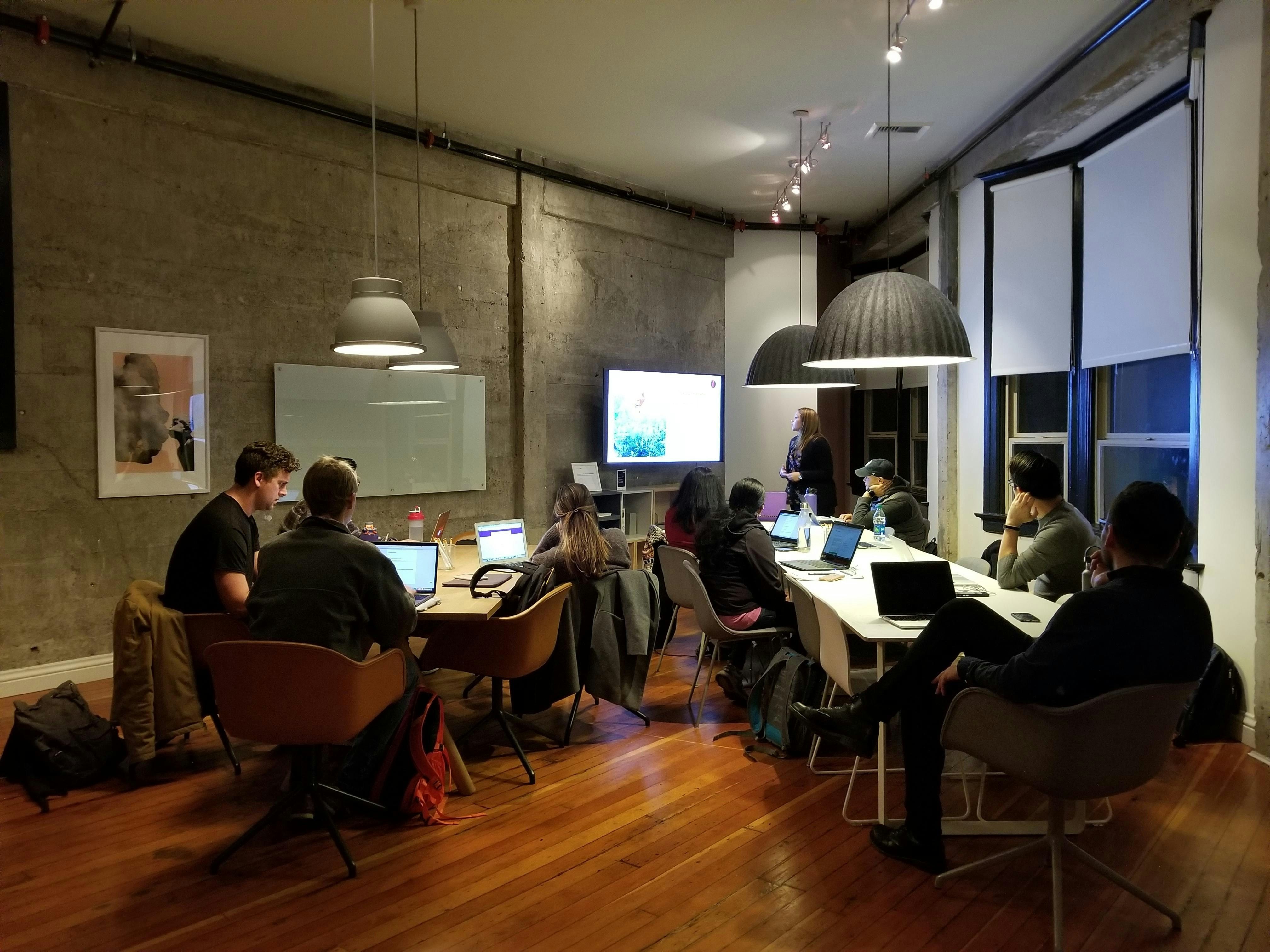
The features that matter most to our users are not the ones that required the most complex engineering. They are the ones that solved real problems simply. And the engineering culture that produces that kind of work is one that treats simplicity not as a compromise but as the goal.
The best code is the code your whole team can read, change, and trust. Everything else is a story you are telling yourself about the future.
Build simpler. Ship faster. Try SaneHQ

Continue reading

The Hidden Cost of Context Switching (And How to Minimize It)
We did not remove urgency. Urgent things still got handled urgently. We did not make the team less responsive. We made the team more deliberately responsive, which turned out to be more useful than reflexively responsive had ever been.

Why We Killed Our Daily Stand-ups (And What We Did Instead)
The original purpose of a daily standup is legitimate. You want the team to be aligned. You want blockers surfaced quickly. You want people to know what their colleagues are working on so work does not get duplicated or fall through gaps.

The Art of Saying No: How We Shipped 40% Faster
We made our roadmap visible to everyone inside and outside the company. Not just what we were building but why, what outcome each initiative was aimed at, what evidence supported the decision, and what would change our minds. That transparency did something unexpected: it reduced the pressure to say yes to things. When people could see our reasoning, they stopped lobbying as hard. They understood the constraints. Sometimes they even helped us refine the criteria.