What We Learned From Building for the People Everyone Else Ignores

Founder Notes3 min read

On this page
The project management software market is enormous. Billions of dollars, hundreds of products, thousands of integrations, and a relentless arms race of features that mostly serve organizations with dedicated operations teams and software budgets that dwarf what most startups raise in their first round.
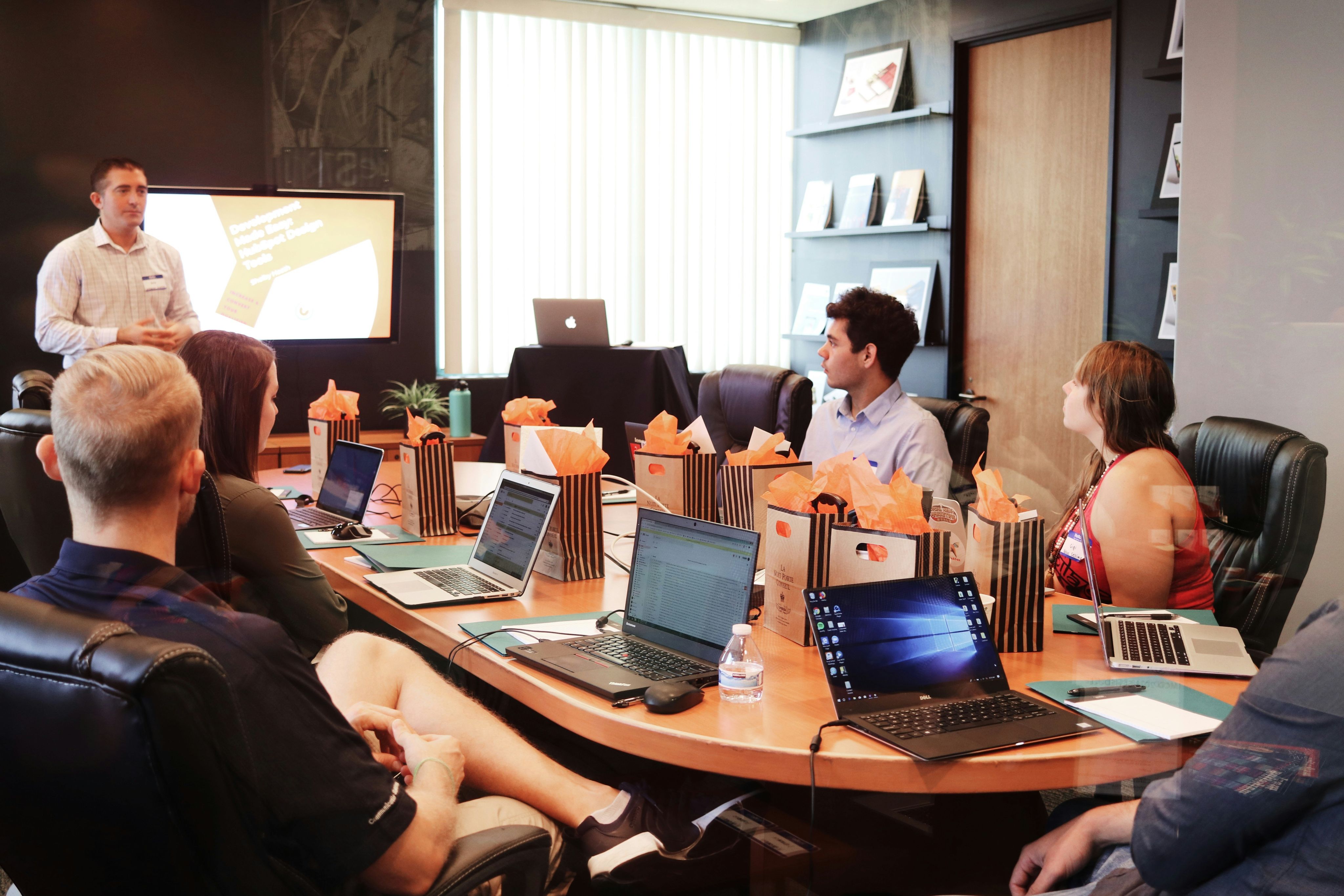
None of that was built for the person with one idea, two co-founders, and a burning need to keep track of who is doing what.
When we started SaneHQ, we were not trying to win the enterprise market. We were trying to serve the people that market had structurally ignored. The solo founder. The two-person team that just got its first paying customer. The small business owner who has tried three project management tools and given up on all of them. The startup that is moving too fast to spend a week configuring software before they can use it.
These people are not a niche. They are the majority of people who need project management software. They just do not show up in the case studies because they do not have procurement budgets and they do not sign multi-year contracts and they do not make for impressive logos on a sales page.
They are, however, exactly the kind of people who tell everyone they know when something works for them. And exactly the kind of people who quietly churn when something does not.
Why We Chose to Build Smaller on Purpose

The temptation when you are building a product is to go broad. More features means more users served means more revenue means more company. The logic feels sound. In practice it tends to produce products that serve many people adequately and nobody exceptionally.
We made a different bet. We decided to build something that served a specific kind of person exceptionally, and to resist the pull toward breadth until we had genuinely earned the right to expand.
That meant saying no to features that would have made us look more competitive on That meant saying no to features that would have made us look more competitive on comparison charts. It meant pricing in a way that made us less immediately profitable but more aligned with the actual economics of the teams we serve. It meant designing for the person who has never used project management software before and the person who has used all of them and wants something different.
The bet is that simplicity, done well, is harder to replicate than sophistication. That a tool that genuinely fits the way small teams work will hold its users in a way that a sophisticated tool never can, because sophisticated tools lose people every time they add complexity and simple tools gain people every time they remove it.
What Founders Actually Need

We have talked to a lot of founders building things. What they tell us, consistently, is that they need less than the market assumes.
They need to know what needs to happen today. They need their team to know what everyone else is working on. They need a way to flag when something is stuck without calling a meeting. They need confidence that nothing important is falling through a gap.
That is it. That is the whole job. Everything else is negotiable and most of it is noise.
SaneHQ was built to do that job and nothing more, until the people doing that job tell us they need something else. At which point we will listen, the same way we listened at the beginning, and we will build accordingly.
Because the product is not the tool. The product is the founder who ships their first feature without losing their mind in the process. The team that hits its first milestone. The small business that survives its first hard quarter because everyone knew what they were supposed to be doing.
That is what we are building toward. We are glad you are here for it.
Start building with SANEHQ

Continue reading

The Hidden Cost of Context Switching (And How to Minimize It)
We did not remove urgency. Urgent things still got handled urgently. We did not make the team less responsive. We made the team more deliberately responsive, which turned out to be more useful than reflexively responsive had ever been.

Why We Killed Our Daily Stand-ups (And What We Did Instead)
The original purpose of a daily standup is legitimate. You want the team to be aligned. You want blockers surfaced quickly. You want people to know what their colleagues are working on so work does not get duplicated or fall through gaps.

The Art of Saying No: How We Shipped 40% Faster
We made our roadmap visible to everyone inside and outside the company. Not just what we were building but why, what outcome each initiative was aimed at, what evidence supported the decision, and what would change our minds. That transparency did something unexpected: it reduced the pressure to say yes to things. When people could see our reasoning, they stopped lobbying as hard. They understood the constraints. Sometimes they even helped us refine the criteria.